
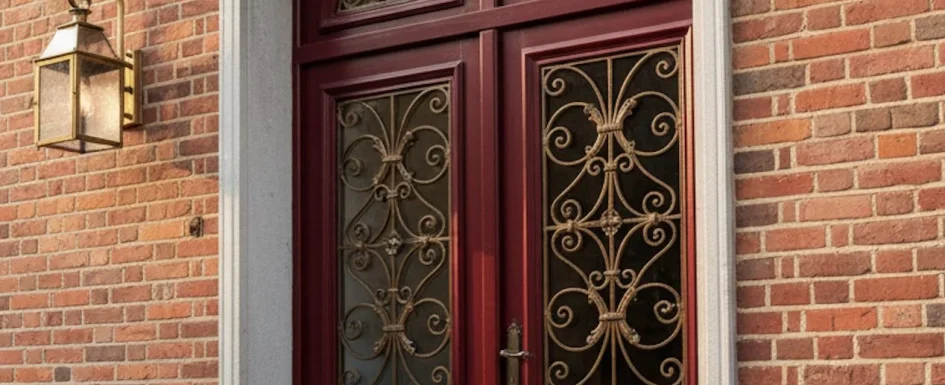
When choosing a front door, two criteria usually dominate: security and looks. Finding the right balance between them is not always simple, especially once you add technical factors, budget, installation quality, insulation and how the door fits the facade. Here is an interior architect’s view to help you choose materials that combine strength, elegance and durability.
By Mathieu, interior architect. Updated April 2026.
A successful front door protects without sacrificing style.
Security and design: finding the right balance
A front door should not just look good. It must also protect, insulate, last and fit properly with the architecture of the house. In a renovation, the choice matters even more, because the new door has to work with what is already there: facade, threshold, windows, shutters, exterior materials and the interior mood.
The material plays a central role. It shapes the style, the security, the level of upkeep, thermal performance, durability and price. But the material should not be judged alone: the lock, hinges, glazing, frame, threshold and precision of installation are just as important.
For a complementary approach to choosing a door for a renovated home, see the dedicated article on which front door to choose for a renovated house.
Aluminum: security, design and lightness
The go-to material for modern homes, aluminum appeals through its rigidity, its lightness and its ability to suit many styles. It allows doors with clean lines and great freedom of colors and finishes thanks to powder coating: anthracite gray, black, textured bronze, light tones or bolder colors.
On security, aluminum can perform very well when combined with a reinforced insulated panel, laminated glass, a multipoint lock and suitable hinges. It is also valued for its low maintenance, especially on exposed facades.
Wood: warmth, authenticity and natural strength
Wood remains a safe bet for character homes, old facades or renovations that call for a high-end door. It brings instant warmth and authenticity. It can be painted, stained, varnished or worked with decorative details to match the style of the house.
Its density gives good mechanical strength and good thermal insulation, provided you choose a quality door that is well designed and well installed. Paired with fine ironwork, decorative glazing or a design inspired by the original, wood can create an entrance that is both elegant and secure.
Its main drawback is maintenance. Depending on exposure to sun, rain or wind, a wooden door needs more attention than an aluminum one. This should be factored in when choosing the model.
See our projects in video
Real floor plans and renovations explained step by step on the ArchiWorking YouTube channel. Watch how spaces are reworked before the works begin.
Key takeaway: the right front door material depends on the style of the house, the security level you want, exposure, budget, the upkeep you accept and installation quality. Aluminum suits contemporary lines, wood suits character homes, steel suits higher security needs and wood-aluminum suits high-end projects.
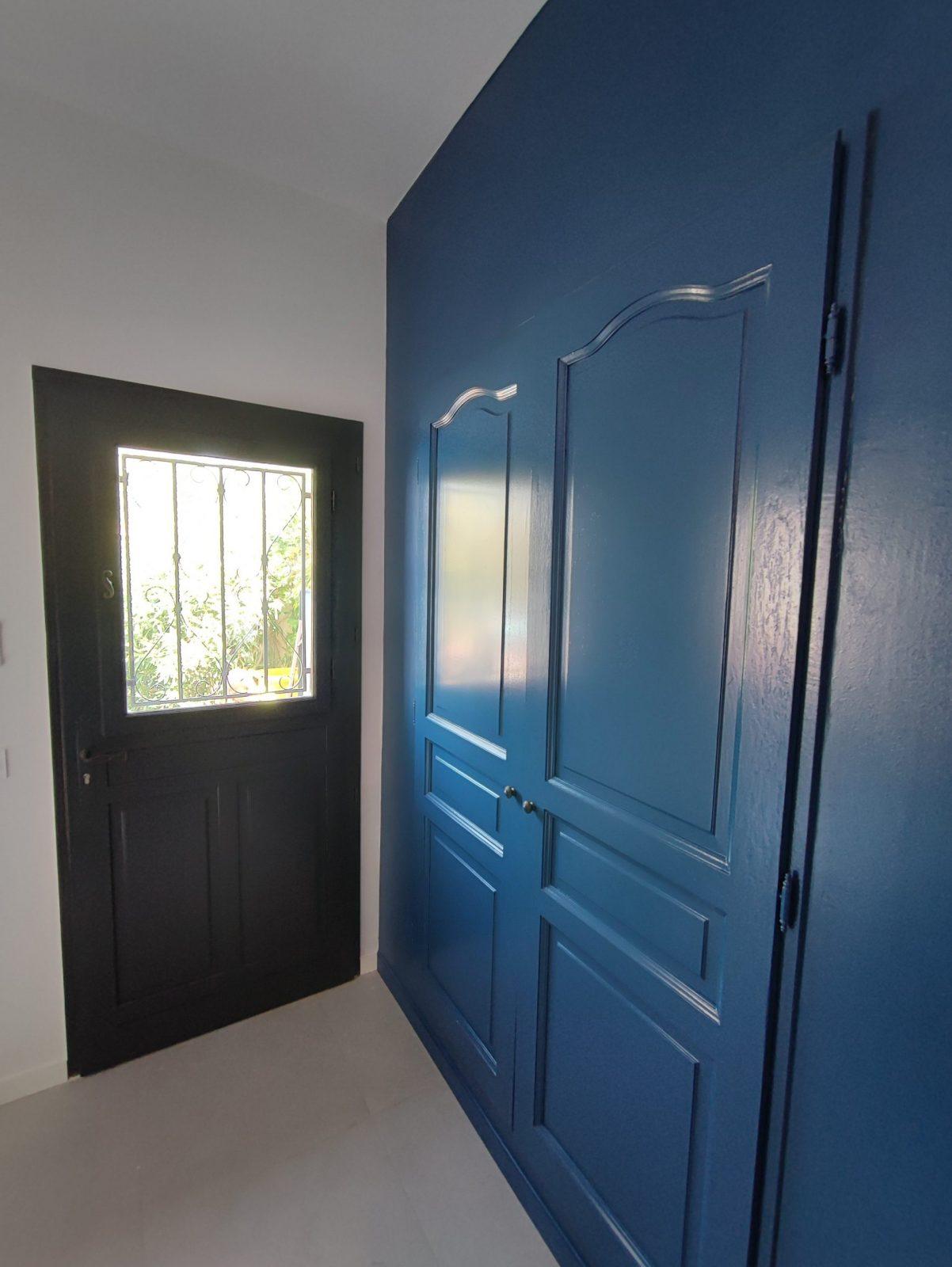
Pro tip: to boost security, choose models with a multipoint lock, laminated glass if the door has a glazed section, sturdy hinges and a well-sized frame. These elements count as much as the material itself.
From a real project: on a renovated Provençal farmhouse, we kept the original wooden door to preserve the character of the building and created an interior vestibule with a second aluminum door. Double-leaf, with a fixed arched section and triple glazing, it combined modern security with respect for the architectural heritage.
Steel: the benchmark for maximum security
Often used for armored doors or entrances needing extra protection, steel remains the reference when security is the priority. It offers very high mechanical resistance and can make sense for isolated houses, more exposed areas or sensitive access points.
Long seen as industrial, steel can now be powder coated, textured or combined with other materials for a more refined look. It can therefore meet a high security need without necessarily sacrificing appearance.
Still, pay attention to the overall quality of the door set: insulation, threshold, finish, installation, hardware, ease of use and coherence with the facade. A very secure door that is badly integrated can upset the visual balance of the entrance.
Wood-aluminum doors: the high-end compromise
Wood-aluminum doors combine two complementary qualities: the warmth of wood inside and the toughness of aluminum outside. This solution works very well for projects seeking refined looks, good performance and limited exterior upkeep.
In an architect-led project, a hybrid door often allows finer details: threshold, frame, casing, handle, exterior color, interior finish, alignment with the windows and coherence with the other materials of the project. It is a more expensive solution, but often very high quality when the entrance is a strong feature of the house.
To compare other types of joinery in a renovation, you can also browse our content on entryways and door frames.
Installation, dimensions and build quality
The quality of a front door does not depend on the material alone. Manufacturing precision, measurements, installation, frame adjustment, threshold and finishes play a major role. A high-end door that is badly measured or badly fitted can lose much of its value.
Taking measurements must be especially rigorous in renovation, because existing walls, thresholds and reveals are not always perfectly straight. Any masonry, render, floor or threshold repairs also need to be anticipated.
Field note: be careful with some PVC doors, especially handles and components, which can age less well depending on product quality. It is better to invest in robust parts from the start, particularly for a heavily used door.
Site story: on a villa renovation, an owner chose an outside supplier for its attractive price. The door arrived 3 cm short, delaying installation by a month with real consequences for the owner. A price that is too low can be a warning sign: manufacturing precision and installation quality matter as much as the material.
Choosing without compromise between security and design

The right compromise depends on the style of the house and the level of security you want. A renovated older home often benefits from the charm of a solid wood door or a model that echoes the original features. A contemporary build pairs more naturally with an aluminum or wood-aluminum door.
The key is to check the whole door set: material, frame, multipoint lock, laminated glass, threshold, hinges, insulation, installation and warranties. Resistance classes such as RC2 or RC3 help compare security levels, but they do not replace an overall analysis of the project and how the door is used.
To dig deeper and compare materials for your needs, see our complete guide to front doors.
FAQ: front door materials
Which material should I choose for a secure front door?
Steel is often chosen for very secure doors, but aluminum, solid wood and hybrid doors can also offer a good level of security if the door set is well designed: multipoint lock, sturdy frame, laminated glass and careful installation.
Is an aluminum front door secure?
Yes, an aluminum door can be secure when combined with a multipoint lock, a reinforced panel, laminated glass if it has a glazed section, and quality installation. Aluminum is also appreciated for its contemporary design and low maintenance.
Is wood a good choice for a front door?
Yes, wood is an excellent choice for character homes or high-end renovations. It brings warmth, authenticity and good insulation. It does, however, need more regular upkeep depending on the door’s exposure.
What is the difference between an aluminum door and a wood-aluminum door?
An aluminum door is durable, contemporary and easy to maintain. A wood-aluminum door combines a tough aluminum exterior with a warmer wooden interior. It is often a more upscale solution.
Should PVC front doors be avoided?
PVC can be worthwhile for some budgets, but watch the quality of components, especially handles, reinforcements, hardware and long-term durability. For a heavily used door, sturdier materials may be preferable.
Is installation as important as the material?
Yes. A high-performance door that is badly measured or fitted can lose insulation, security and comfort. In renovation, measurements, the condition of the reveal, the threshold, the frame and the surrounding repairs must be checked precisely.