

A rug can organize a room before it decorates it. It identifies a seating group in an open living space, softens sound reflections, adds comfort underfoot, and changes how continuous the floor appears. Those roles matter in an entrance, bedroom, or outdoor sitting area as much as in a conventional living room.
There is a rug for Scandinavian, shabby-chic, industrial, retro, and many other interiors, whether flat-woven, colorful, bamboo, short-pile, or longer-pile. Start with size and use, however, rather than choosing a pattern first and hoping it fits. An undersized rug can fragment a room that otherwise works well.
Measure the furniture group, not an empty patch of floor
In a living room, the rug should relate to sofa, coffee table, and armchairs as one arrangement. Ideally the sofa’s front feet sit on it, with the rug extending beyond the sofa at each side. Around 20 cm on either side is a useful aim, while the source’s quick FAQ gives approximately 15 to 20 cm depending on the composition.
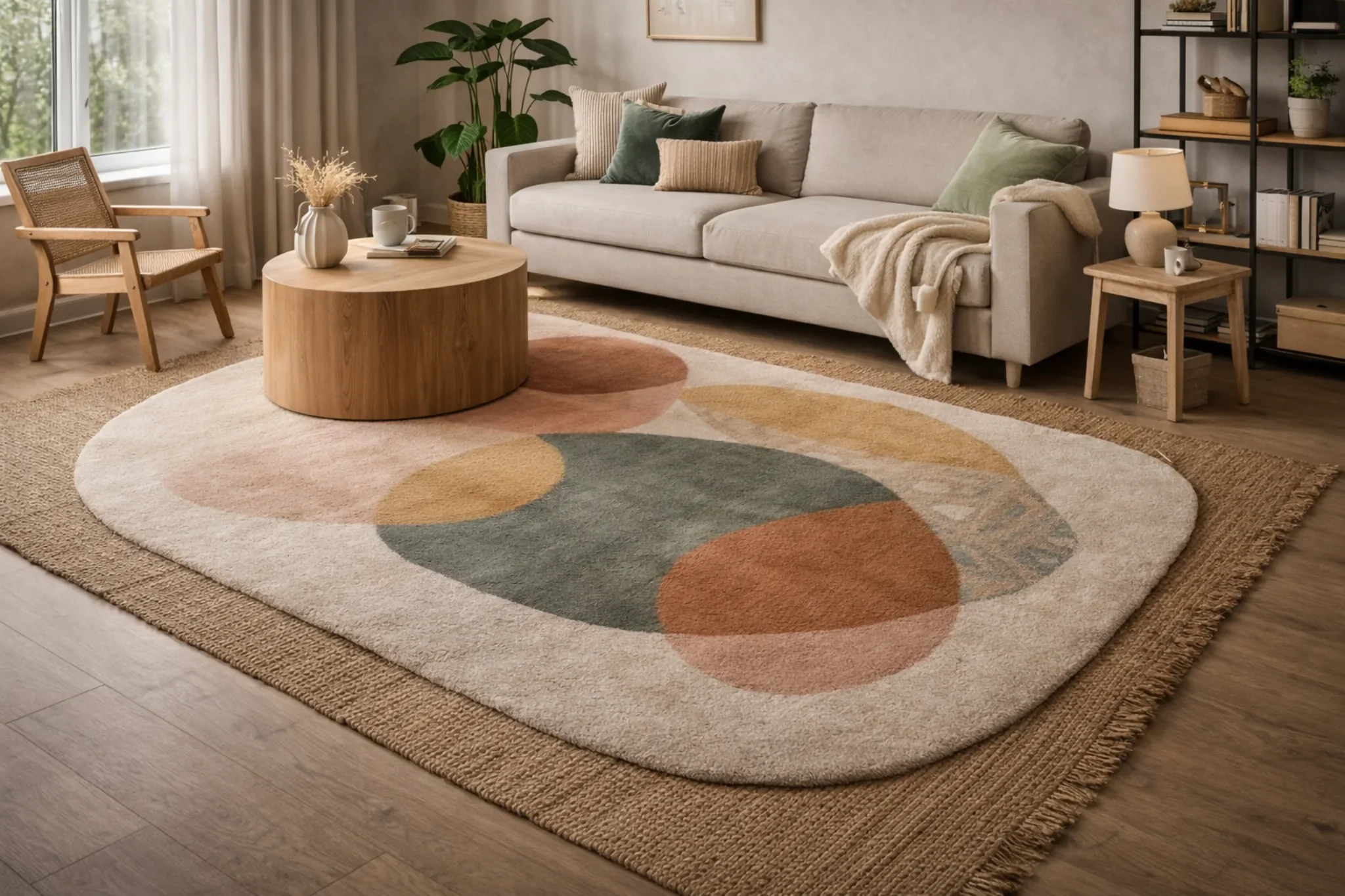
For a compact sitting room, 160 × 230 cm is a common starting size in the examples; 200 × 290 cm may work better where the room allows. These are not universal minimums independent of the sofa. For a typical three-seat sofa around 200 to 220 cm wide, test the actual rug orientation and extension rather than relying on a label alone.
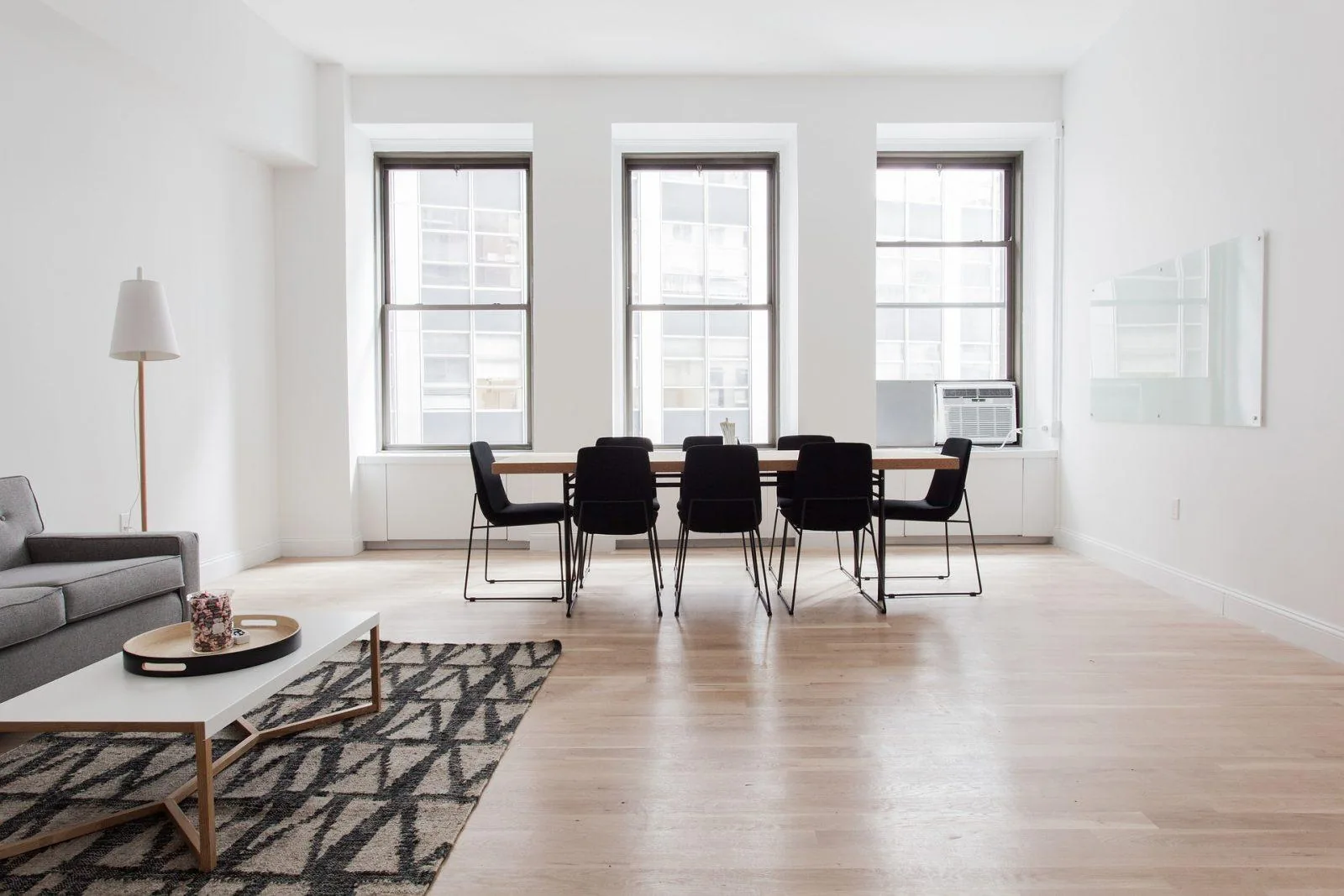
Under a dining table, add at least 60 cm around the tabletop so chairs remain on the rug when pulled back to sit down. Around 70 cm can be better for larger chairs. Measure the occupied dining arrangement and circulation before ordering; chairs catching the edge are a sign the rug has not been sized for use.
In a bedroom, choose either one larger rug extending beside and beyond the foot of the bed, or two generous bedside rugs. Tiny isolated strips rarely provide the same visual or physical comfort. Tape out the footprint if it is difficult to imagine the size on the floor.
Two decisions within a real apartment
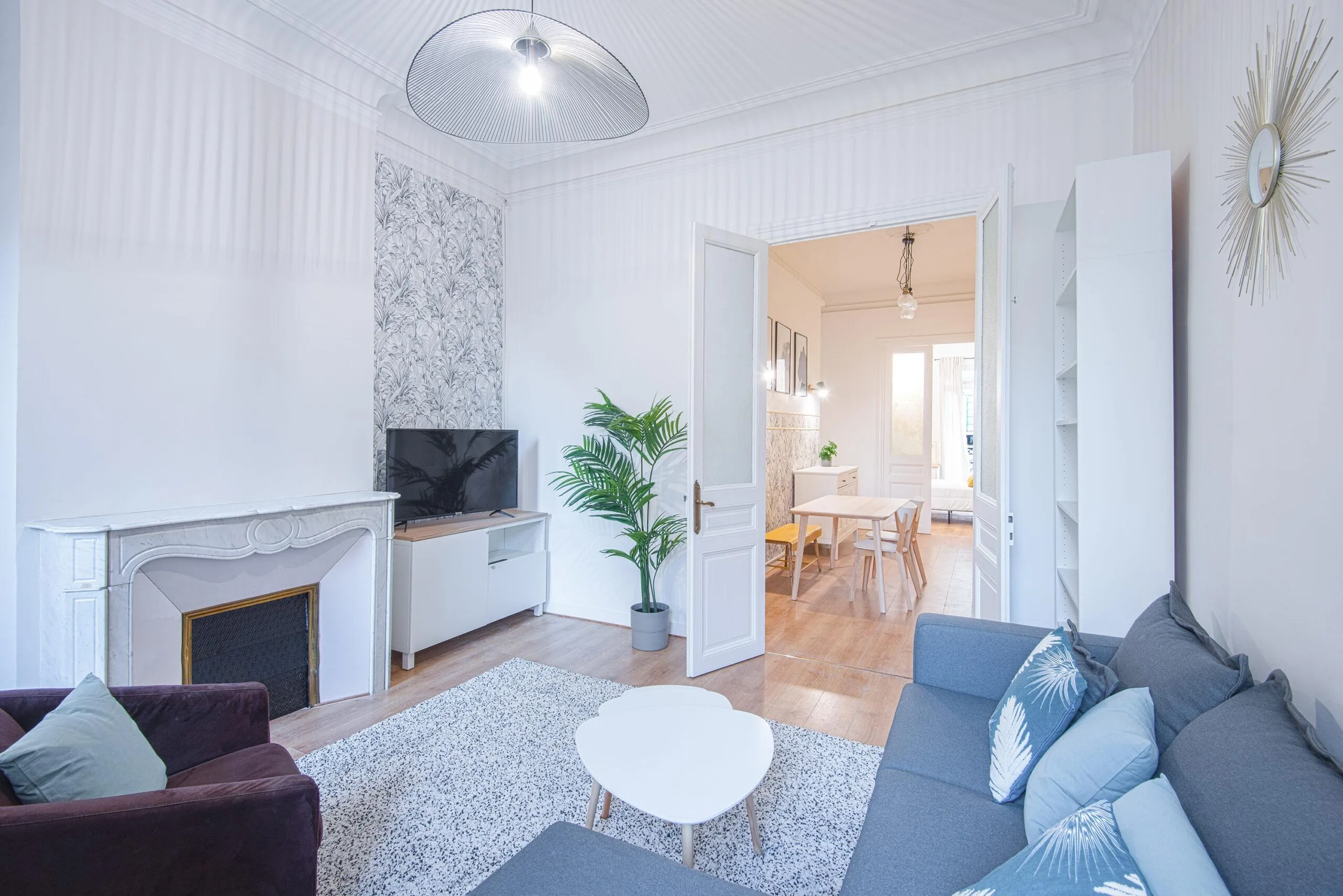
In an older 110 m² apartment with four bedrooms, we placed a 160 × 230 cm rectangular rug centrally in the sitting-room composition. It marked the lounge area and softened the relationship between contemporary furniture, a white-marble period fireplace, decorative wallpaper, and a high ceiling.
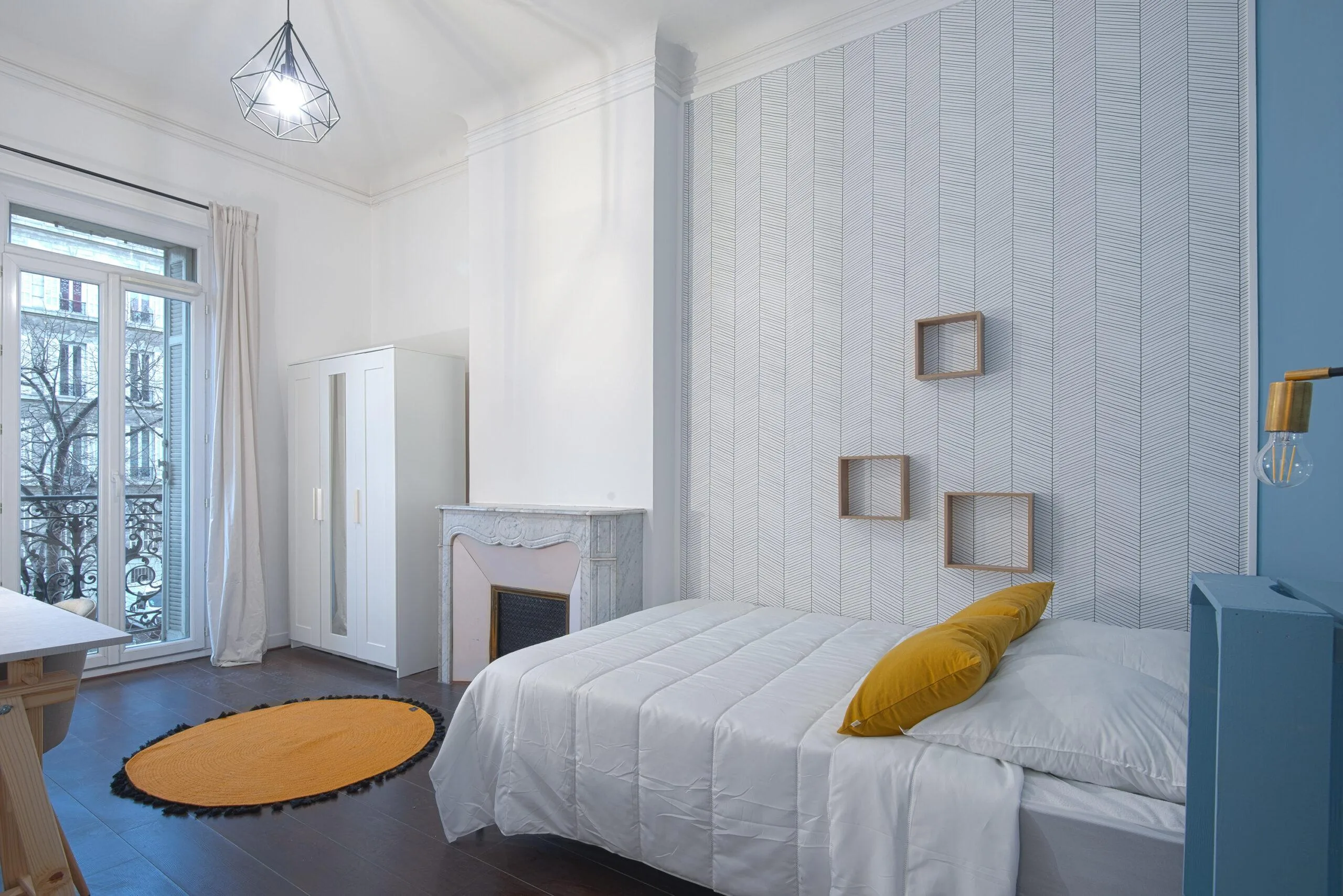
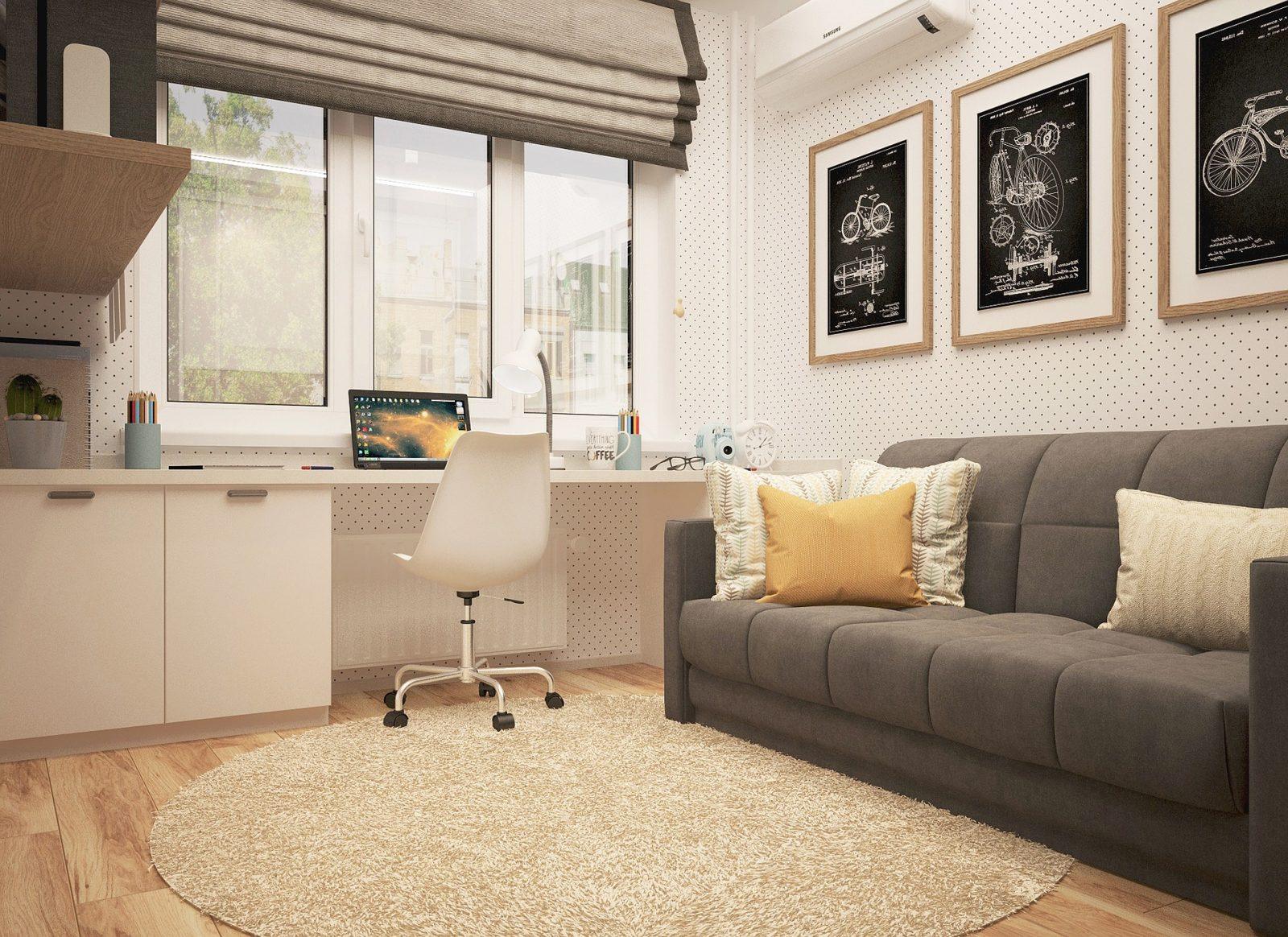
In the smallest bedroom, a 140 × 200 cm bed occupied a corner. Black-and-white graphic wallpaper, blue-gray paint, and dark laminate flooring established a strongly lined background. A round mustard-yellow rug interrupted those straight lines and supplied warmth without adding another decorative object.
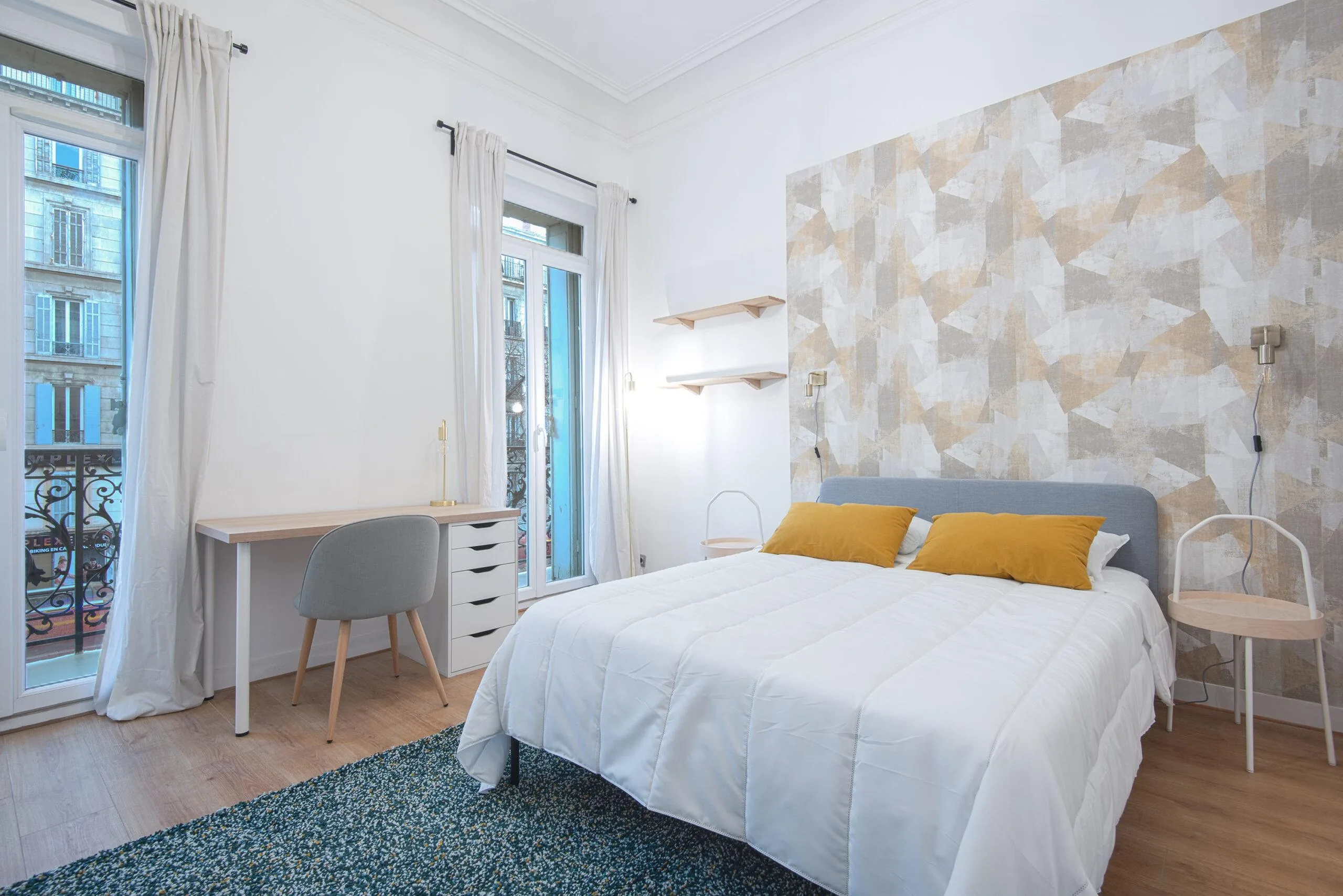
The photographs show another bedroom with geometric wallpaper and a rug at the foot of the bed. Across these examples, shape, size, and placement were decided with the furniture, not added as a final accessory. A large rectangle can anchor seating; a circle can soften a small, angular room.
Match the fiber to daily life
Jute, sisal, and seagrass give a natural, bohemian, or coastal character and can be durable in suitable traffic areas. Water tolerance varies, and sisal and jute need particular caution around moisture and frequent staining. Do not select them simply because “natural” sounds appropriate to every use.
Wool brings warmth underfoot and helps soften the acoustic atmosphere. A well-chosen dense wool rug can age well, with careful cleaning and appropriate protection from moisture and damage. A dense short pile can give a cozy feeling without the maintenance challenges of very long fibers.
Polypropylene, including suitable recycled versions, is often practical beneath a dining table or outside because appropriate products are easier to clean and tolerate moisture better. Confirm that the specific rug is intended for outdoors, including UV exposure, washing, and rapid drying. Fiber name alone does not establish suitability.
For children, pets, or dining, compare a suitable synthetic with dense wool. For pets, short pile or a flat weave such as a kilim is easier to vacuum; mixed tones can make small hairs less conspicuous. Avoid very looped constructions that may snag. Style follows those practical decisions rather than replacing them.
Check thickness before it becomes an obstruction
Measure the rug plus underlay, not only the top layer. A door may rub on a thick combination, and a robot vacuum may struggle to climb it. The same check matters at transitions and walking routes where a raised edge could become a trip hazard.
Use a suitable anti-slip underlay unless the backing already provides the appropriate stability for that floor. It prevents drifting, adds cushioning, and can reduce friction-related fiber wear. A latex-backed rug is not automatically compatible with every floor finish; follow the flooring and rug instructions.
See our projects in video
Real floor plans and renovations explained step by step on the ArchiWorking YouTube channel. Watch how spaces are reworked before the works begin.
Organic shapes and layering need the same discipline
Round, pebble-like, and irregular rugs can soften square rooms and rigid furniture lines. They are not exempt from sizing: relate them to the activity and furniture, rather than choosing a shape that leaves every chair disconnected.
Layering can give an older, smaller rug a useful role. Start with a generous neutral base in jute or pale wool, then add a smaller, more characterful kilim, vintage rug, or suitable hide-style piece. The base supplies scale; the upper rug adds color and texture.
Keep both layers stable with compatible anti-slip measures. A combination that slides against itself is not a successful decorative effect. Check total thickness, edges, and doors again. Our room-planning and decorating guidance offers related ways to balance color and furniture.
A care routine that respects the material
The source suggests gentle vacuuming once or twice a week and rotating the rug about once a month to distribute wear and light exposure. Avoid an aggressive rotating brush on delicate natural fibers. Adjust the routine to the product, room use, and care label rather than assuming every construction needs identical treatment.
Blot a spill promptly instead of rubbing it into the pile. For jute, avoid soaking: excess moisture can darken or distort it. The original advice mentions a barely damp cloth with a little suitable black soap and prompt drying; first follow the rug manufacturer’s method and test compatibility. If using moving low heat to assist drying where allowed, avoid overheating fibers or backing.
Ventilation and rapid appropriate drying matter when odors or humidity develop. Underfloor heating also needs compatibility checks for both rug and underlay. A thick, dense combination can restrict heat transfer; suitable flat weaves or moderate-density rugs may work, subject to the heating and flooring specifications.
How large should a rug be for a three-seat sofa?
For a sofa around 200–220 cm, the source compares 160 × 230 cm and 200 × 290 cm. Check actual orientation, front-foot placement, and roughly 15 to 20 cm extension at the sides. The furniture group should feel connected rather than surrounding an isolated “postage stamp.”
Can a rug go under the dining table?
Yes. Add at least 60 cm around the table, or more for larger chairs, so chair feet remain on it when pulled back. Choose a material and weave suitable for spills and cleaning.
Which rug works with animals?
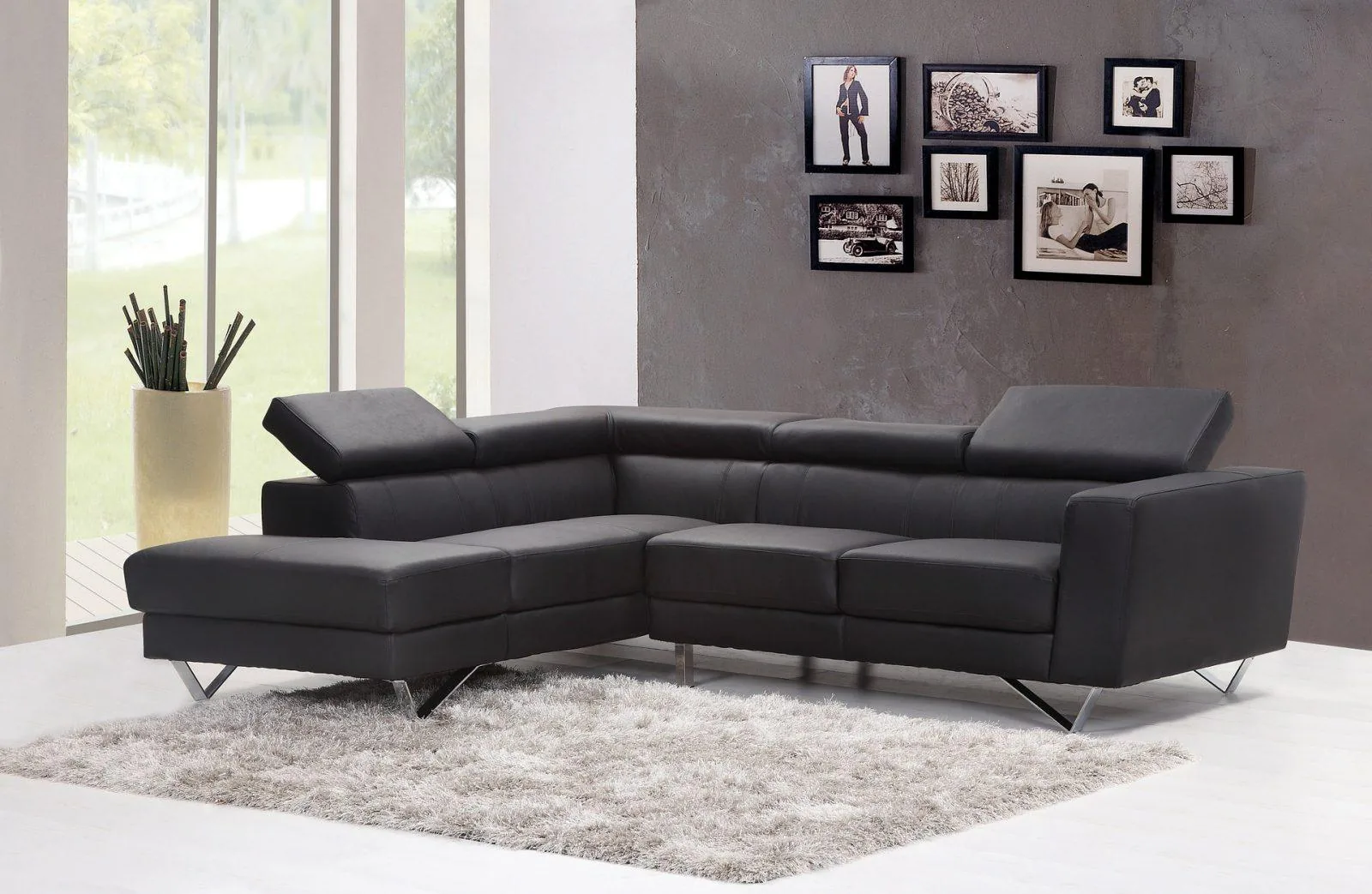
Short pile or flat weave, a practical cleanable material, and tones that do not show every hair. Avoid snag-prone loops and secure the rug with an appropriate underlay.
Round or rectangular?
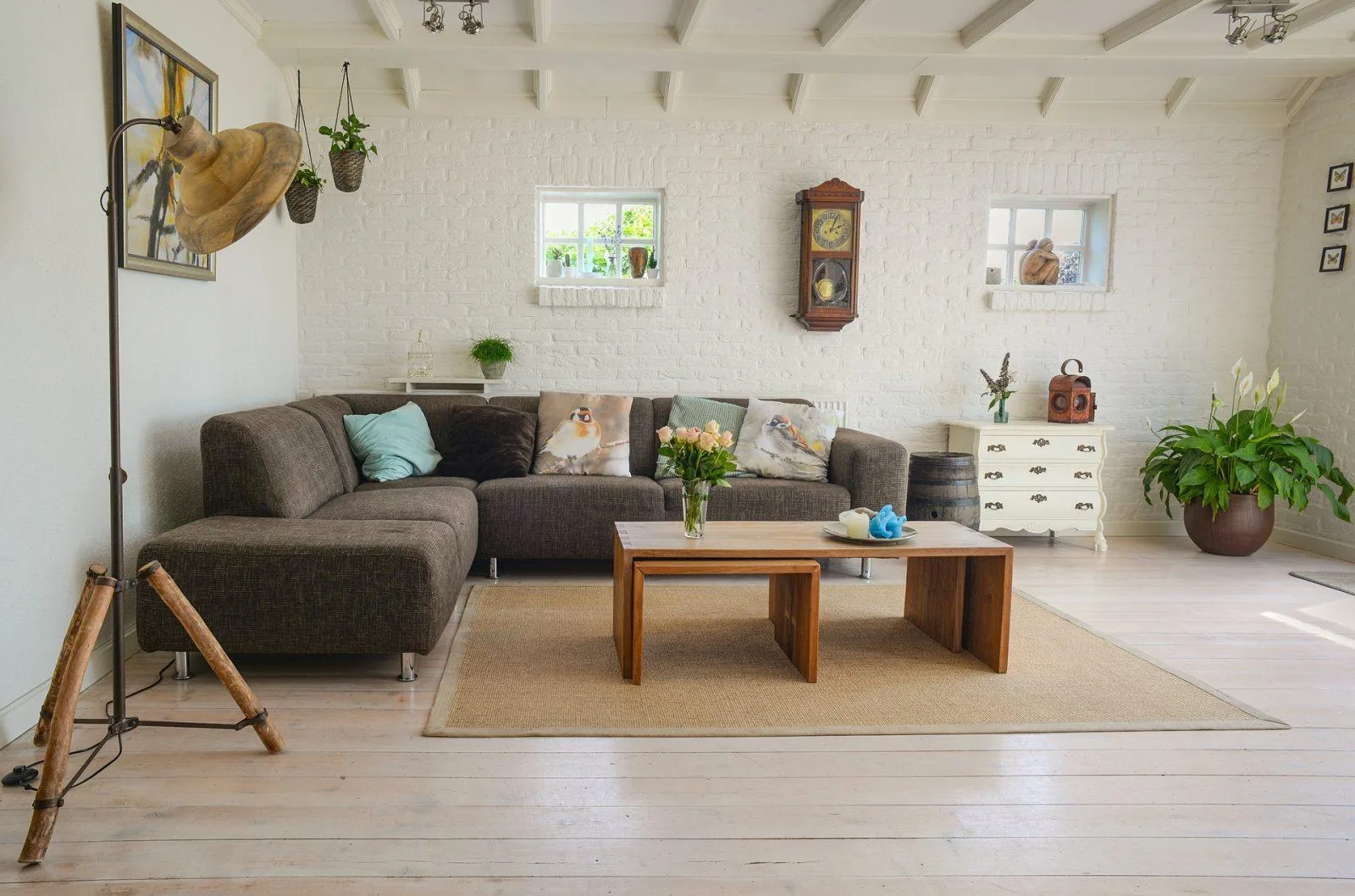
A rectangle often anchors a living-room group. A circle can soften an angular room, work beneath a small round table, or define a reading corner. Scale and placement still matter more than shape alone.
Which type belongs outside?
A product specifically rated for outdoors, often polypropylene, with suitable UV resistance, cleaning instructions, and drying behavior. Do not assume an indoor rug becomes weatherproof because the fiber is synthetic.